

Vegan Baba Neagra Cake
Ingredients
1 cup applesauce
5 tsp baking soda
5 tbsp vinegar
2 cups (325g) flour
1 tbsp baking soda
1.5 cups (300g) sugar
1 cup (250ml) yoghurt
2 cups (500ml) non-dairy milk
25ml brandy
Instructions
- Preheat the oven to 390F (200C).
- Combine the baking soda and vinegar until frothy. Add the applesauce and mix thoroughly.
- In a separate bowl, sift together flour, sugar, and baking soda. Add the oil and milk, and stir until well-combined.
- Add the yoghurt and brandy and mix.
- Add the applesauce and baking soda mixture, and stir until smooth.
- Line a cake pan with foil. Pour the batter over the foil, then cover with another layer of foil.
- Bake for two hours at 390F/200C. Lower the heat to 210F/100C and bake for another two hours. Allow to cool inside the oven for at least four hours.
A longer and more detailed description
This one is a thoroughly complex and frankly daunting cake, largely because it needed to be baked in a wood-fired oven. You’ll never believe this, but I have a distinct lack of access to wood-fired ovens, but absolutely want to call out this recipe for giving me a decent idea of how to reproduce it.
For this recipe, we’re not simply baking a cake. No, we’re off on a cake adventure. This cake is an all-day affair, potentially bleeding into the night if you really want it to. All day, this cake will be lurking in your oven, making your entire home smell like baking. It will be a menace. Just know that, at the end of it, you will get to eat that cake, and you will enjoy it.
Start by making an egg replacement. There will be a note about this in the suggestions section, but given the sheer number of eggs generally involved in this cake, getting the substitution right is tricky. In this case, I went for an applesauce/baking soda combination that mostly worked, but didn’t quite give me the texture I was looking for. Your mileage may vary with whatever substitutes you try.
After doing whatever you’re going to do with the eggs, sift together your dry ingredients, then pour in the wet. Give them all a mixy mix until smooth. Pour this into a foil-lined cake tin, top it with more foil, and let the waiting begin. It will be a long wait, so I suggest not staring at the oven the entire time. Go do something else, letting your belly serve as the reminder that there is a cake in the oven. After two hours, lower the heat, then continue doing something else. After another two hours, turn off the heat, but still don’t enjoy the cake. Instead, let the cake cool in the oven that you have unceremoniously stolen from everyone else in the house in exchange for the promise of cake. After cooling for at least four hours, serve with more applesauce, syrup, or ice cream. Poftă bună!
Substitutions and suggestions
For the eggs - While I didn’t list eggs in the ingredients (obviously), the applesauce and baking soda/vinegar combination are standing in for eggs here. I went with this combination both to give the cake a fluffy texture as well as a bit of a fruity taste. However, I’m not sure the baking soda/vinegar was necessarily the best substitution. Feel free to sub in whatever egg substitute you would like, though I would steer towards lighter ones, or even commercial egg replacers rather than bananas or peanut butter.
What I changed to make it vegan
The eggs. Dear god, the eggs.
What to listen to while you make this
Would you like to feel old and yet still oddly cultured?
A bit more context for this dish
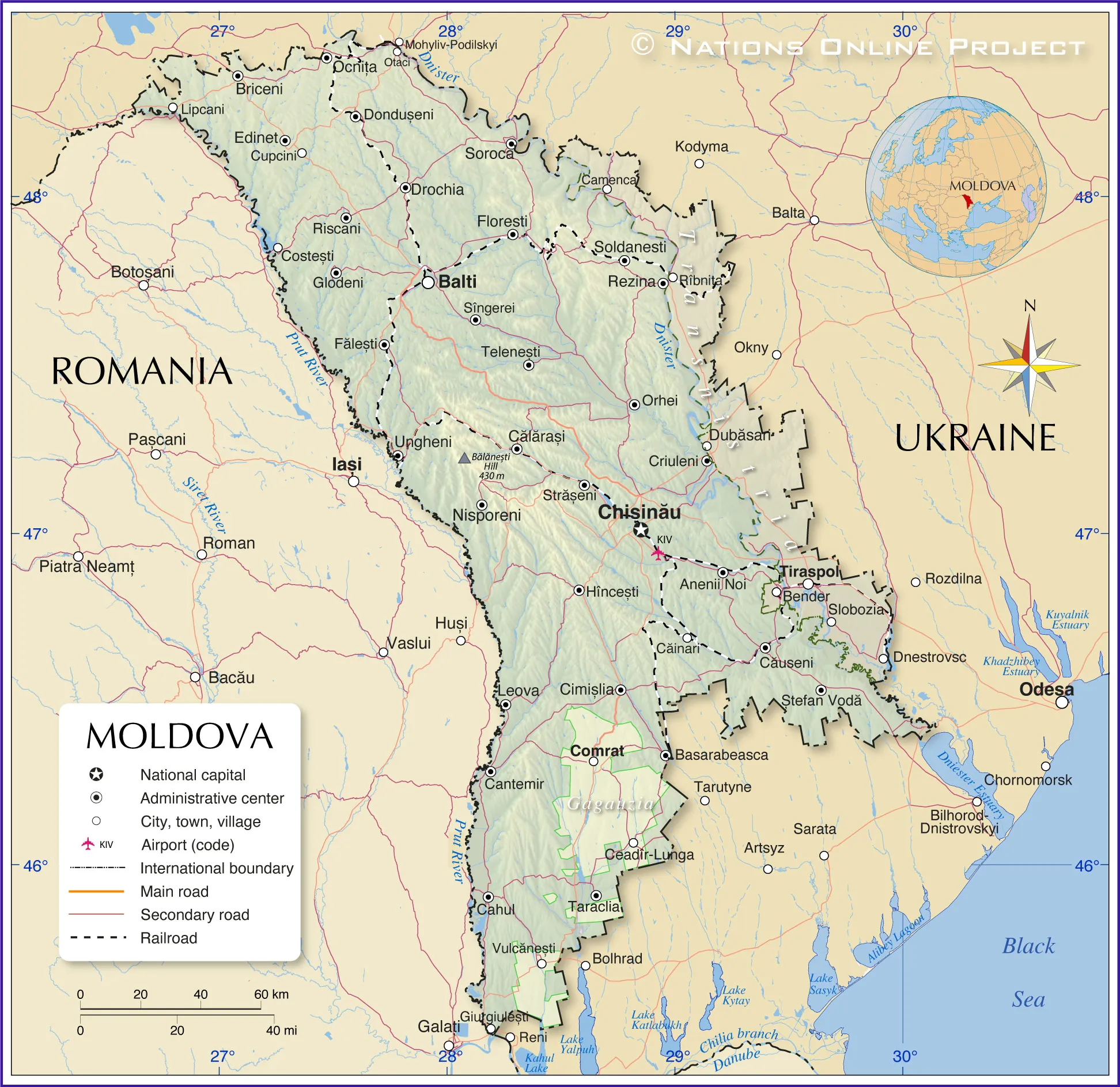
Moldova has lush and fertile soil, leading to it being a fantastic place to grow grapes, grains, and livestock. It has a deeply varied cuisine, centring around meats and vegetables combined in a wide variety of soups, stews, and bakes. While it has been partly influenced by Ottoman cuisine, Moldovan cuisine is nevertheless very different from cuisines found south of Romania, instead being more heavily influenced by Russian and Ukrainian cuisines to the north. What Moldova is famous for, however, is its wines and desserts. Its grapes grow well in the lush soil, and its placement at the confluence of both good soil and a range of culinary traditions has led to a vast tradition of cakes and desserts. Baba neagra is one of these.
 A pastry display in a bakery in Chisinau
Baba neagra is not some ancient cake. Its name translating to “dark grandmother,” baba neagra exists specifically as a response to the rising popularity of luxury desserts in the 19th century. Rather than a specific cafe or royal kitchen, however, baba neagra is very much the product of peasant ingenuity. Wanting to capture the sweetness and darkness of cocoa and refined sugar, but lacking both, Moldovan peasants in the north of Moldova instead got creative about how to make the cake they wanted. The secret of baba neagra is that, rather than using cocoa to darken the cake, the cake instead relies on the chemical reaction between the baking soda and yoghurt to create the dark colour and specific texture.
It isn’t enough to just mix baking soda and yoghurt, however. Instead, baba neagra is baked in a wood-fired oven or - traditionally - in a cauldron in an oven to maintain moisture and heat retention. This is a cake that is heavily reliant on the perfect conditions, but when given those conditions, becomes something utterly unique.
 Postcards of early 20th century Moldovan peasants
However, with the death of wood-fired stoves and hours upon hours to wait for a cake comes the decline of not only baba neagra, but many Moldovan peasant dishes. As Moldovan cuisine modernises and adapts to the modern world, cakes like this one are becoming rarer and rarer.
Part of the point of this project is to explore different culinary traditions, to understand them, and to connect through food with those who came before. I am not Moldovan, but there was a joy in embarking on this cake project. There is something delightful about popping a cake in the oven, uncertain of what’s going to come out, but trusting in tradition to make it good.
We no longer live in the world of cauldrons lingering in wood-fired stoves. Sometimes, though, it’s helpful to pretend, just for an afternoon, that we might see it again.