

Vegan Cepelinai
Ingredients
10 medium potatoes
Flour
3 cups (300g) mushrooms, chopped
2 tbsp garlic puree
1 onion, chopped into half rings
Vegan sour cream
Salt
Pepper
Instructions
- Set a pot of water to boil. Peel three potatoes, quarter them, then add to the pot of boiling water. Boil until soft.
- Peel all remaining potatoes. Grate using the zesting side of a cheese grater until you have a boil of grated potato.
- Using a cheesecloth or similar cotton cloth, squeeze as much water as possible from the grated potato. Add the dried grated potato to a large mixing bowl.
- Puree the boiled potato, then add to the grated potato. Mix to form a soft dough. If the dough is too sticky or wet, add enough flour to make the soft dough.
- Prepare the cepelinai filling. Saute mushrooms and garlic in a pan over medium heat until the mushrooms are soft (~3-4 minutes).
- Once the filling is ready, stuff each of cepelinai. Flatten the dough against your palm in an oblong shape. Place a spoonful of dough in the centre, then fold in half to create a triangular shape. Pull the edges slightly to make a football shape, then add to a pot of water. Repeat until you are out of dough, filling, or both.
- Bring the water to a boil, then lower to a simmer. Cover, and let simmer for 20 minutes.
- While the cepelinai are simmering, prepare the topping. Chop the onion, then saute until brown.
- Top the cepelinai with onions and sour cream.
A longer and more detailed description
I’m aware that “potato” is more of a Latvia joke than a Lithuania joke, but seeing as neither the Latvian nor Estonian recipes contained potatoes, and this is the last Baltic recipe, it really feels a bit necessary to include an “oops, all potato” recipe in here somewhere. Equally, I’m aware this looks suspiciously similar to my signature “pommes de l’atrocite” in that it is a suspiciously large amount of potatoes, but I can assure that this not being served on bread means you will have a significantly healthier relationship with carbs afterwards. Will it be completely healthy? I make no promises, but you will at least be able to look at the bread in your cupboard without being riddled with regrets about your life choices.
To that end, may I present, for your dining delight, potatoes made of potatoes and more potatoes, boiled, and served with potatoes?
Start by finding a frankly ungodly number of potatoes. I had one of those giant bags and it wasn’t enough potatoes, so get however many potatoes feels like it’s enough and prepare to be disappointed. Peel and boil roughly 1/4 of your potatoes, then stare at the rest with a long, hard look. If you - like me - don’t have a regularly scheduled arm day, congratulations. This is your arm day now.
Peel and grate all of the remaining potatoes. If this is five potatoes, great. Have fun. If it’s seven, less great. If it’s ten potatoes, I am so sorry. If it’s more, know that there is fruit in your labour, but that the potatoes do not care, and indeed, relish in your misery. Potatoes are soulless, and they live for your suffering.
This is why we grate the potato, my children, my children.
Once the potatoes are grated, good news! Arm day continues! Put your grated potato in a cheesecloth (read: reasonably clean dishtowel) and squeeze as much of the liquid out of the potatoes as possible. This will be satisfying at first, until you realise just how much liquid is in a potato, and then you will rapidly get tired of potatoes. This, too, I feel is part of the Baltic experience. If you need potato starch, keep the liquid, as the starch will accumulate on the bottom of the bowl. You can add the potato starch in a later step, or ignore it. I’ll explain when we get there.
Congratulations. That’s the end of arm day. Next - finger day!
Puree your boiled potatoes until they’re a satisfyingly yellow mash. Add this to the grated potato to make a potato dough. This should be soft and roughly the texture of clay (yay), but if it’s too liquidy, add flour until it’s roughly the right consistency. Congratulations. You have now made dough out of a potato.
Having made your dough (and, presumably, a mess), sautee some mushrooms and a bit of garlic puree until the mushrooms are soft. These are going to be your filling, unless you don’t want filling, in which case, puree more potatoes, I guess. It’s now time to actually form your cepelinai.
Flatten a piece of dough against your palm into an oblong shape. Put some filling in the centre, then fold the oblong dough in half so the long parts meet. Close the rest of the dumpling, then fluff it a bit to create something roughly the shape of an American football. Drop it into a pot of water, then repeat with all the remaining dough and filling. Bring that water to a boil, and then - if you want your cepelinai to be shiny - add your potato water to the boiling water. If, however, you have already long ago despaired about the appearance of your cepelinai, feel free to skip this step. If you’ve given up hope, you’ve given up hope, and that’s okay.
Once the water boils, lower it to a simmer, cover it, and let it cook for twenty minutes or so. While it’s cooking, fry an onion, then relax after a satisfying arm day. Once the cepelinai are ready, cover them in salt, pepper, vegan sour cream, and onions, and devour your potato. Gero apetito!
Substitutions and suggestions
For the potato - HAHAHAHAHAHAHAHAHAHAHAHAHAHAHAHA
For the mushrooms - Feel free to put any filling you like in here. I went with mushrooms because they’re flavourful and I know how to fill dumplings with them, but if you don’t like mushrooms (weirdo), you don’t have to use them.
What I changed to make it vegan
This is supposed to have meat in it. It no longer has meat in it. It now has mushrooms instead.
What to listen to while you make this
I am going to be the most basic of ladies here and suggest checking out Silvester Belt. I will not be elaborating on why this is basic, except to say that if you have followed this series, you already know.
A bit more context for this dish
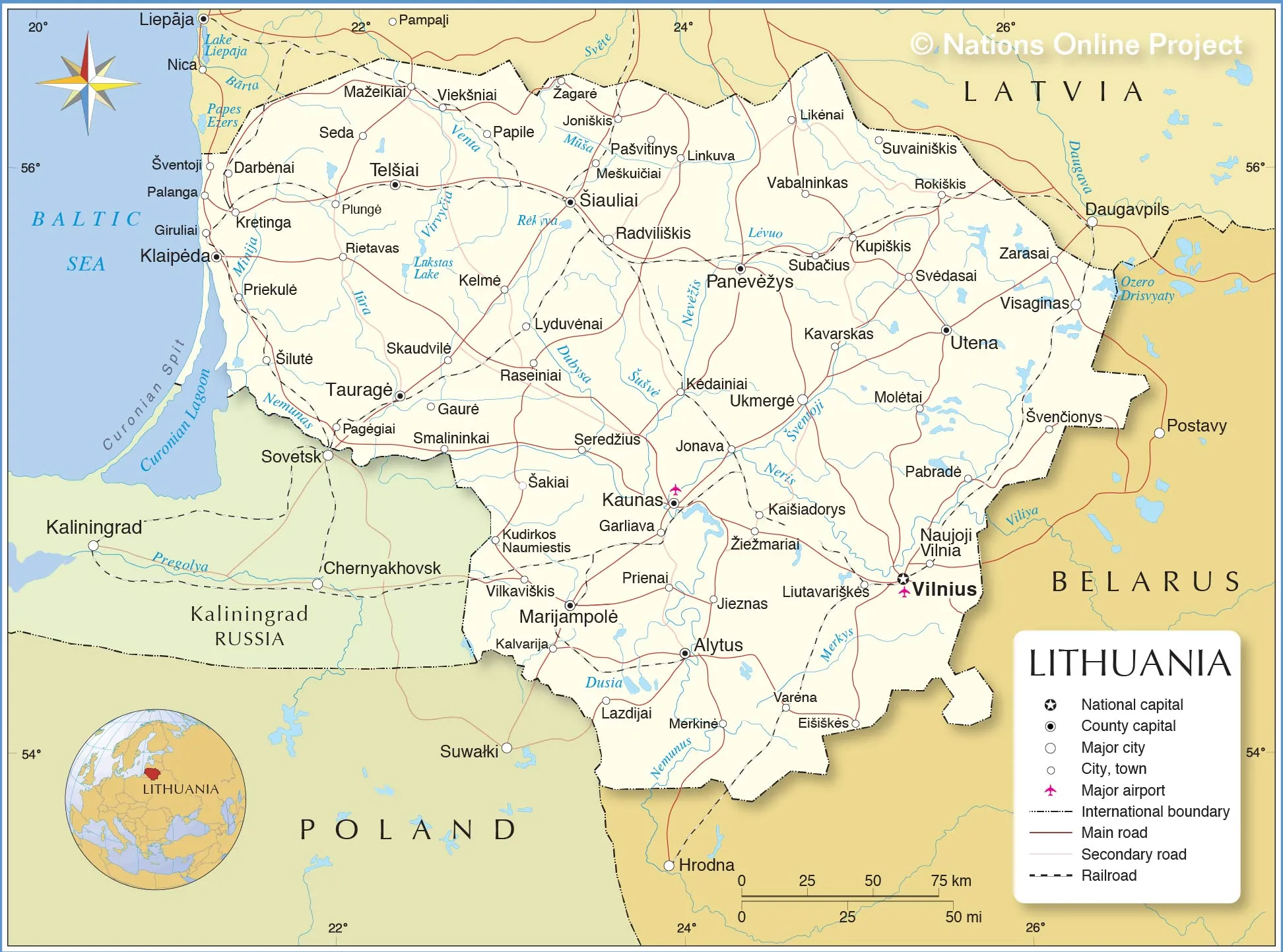
Lithuanian cuisine, like much of the rest of the Baltics, is centred around food that can survive and grow in its cold, damp climate. Lithuanian cuisine features the heavy use of potatoes, barley, and dairy, especially in soups and pickles. Cepelinai themselves are an iconic part of Lithuanian cuisine, representing both a traditional way of serving and preserving meat and potatoes, and being influenced by German cuisine (with the name “cepelinai” being the Lithuanian transliteration of the word “zeppelin”).
One fascinating element of Lithuania, though, is less its cuisine - though it’s cuisine is special, don’t get me wrong - and more its language. The Lithuanian language, when you look at it and listen to it, feels deeply odd and unique and familiar all at once. Its written words resemble Latin while clearly not being Latin, and its pronunciation sounds not dissimilar to English, while obviously not being English. It’s an odd language, but one that has continued to fascinate me the more I look at it.
A big part of why Lithuanian is the way it is is because it is the closest living language to proto-Indo-European (PIE). It’s a living fossil, and that is endlessly fascinating.
Much like with creatures, languages are evolved things, with common ancestors, siblings and cousins, and mutual intelligibility. All Indo-European languages - from Sanskrit to Spanish - share a common ancestor. Known as Proto-Indo-European (or PIE), this language likely originated in the Anatolian steppes, making its way into Europe and central Asia over the course of centuries of nomadic migration.
 A map of the proposed introduction and descendants of PIE (Source: Wikipedia)
Reconstructing a language from its descendants is difficult, though, for obvious reasons, the attempts to reconstruct PIE have been extensive. The commonalities between various Indo-European languages - and understanding what’s influenced the discommonalities - provide a bit of insight into both how PIE was spoken and who was doing the speaking.
Throughout Indo-European languages, for instance, words relating to people (mother, father, sister, brother) are, while not mutually intelligible, similar enough to trace their shared origin and how they evolved from that origin as PIE speakers moving through the world. Numbers, and how people describe themselves are shared, with the PIE “oynos” becoming the English “one,” the Gothic “ains,” the Latin “unus,” the Sanskrit “eka,” and the Lithuanian “vienas.” Our linguistic ancestors were people for who counting and their immediate community mattered, as these were the words that stuck over the course of millennia.
These were, however, not the only words these ancestors held in common. The words describing the animals around them - the ones they herded, kept, and chased away - are shared as well. “Gow” became “cow,” “ko,” “bos,” “gos,” and “guovs.” Bears and dogs and wolves stalked their way across Europe, carried on the tongues of a community that defined itself by their presence.
As PIE speakers moved, they encountered other languages, with these influencing PIE descendants into the forms we now know. English is what happens when Celts get rampaged by the French, then start stealing words from other languages as an odd form of linguistic revenge. In the case of Lithuanian, though, while there was influence from Finnic languages, and the natural linguistic drift that happens any time a group of people start adding their own accent to the words they know, compared to the rest of its Indo-European cousins, this drift was relatively small. Left alone along the shore of the Baltic Sea, Lithuanian preserved much of how PIE was spoken and the words it used.
This is not to say that Lithuanian is a coelacanth of a language. It has obviously changed and evolved, and PIE speakers would likely not recognise it. However, they might recognise elements of it and cock their heads at the odd pronunciations of words they knew.
Lithuanian as a language has survived Russification and, with Lithuania’s independence, became the official language of Lithuania. It is a point of pride, with Lithuanian being a rallying cry during its independence movement. It is a deeply special language - though all languages are special - and one that reflects an ancient heritage.