

Vegan Micronesian Chicken
Ingredients
1 block tofu, cubed
1 can cubed pineapple, juice reserved
¼ cup soy sauce
1 tbsp ginger
1 shallot, chopped
1 bell pepper, chopped
Instructions
- Combine pineapple juice, soy sauce, and ginger in a bowl. Stir to mix.
- Add the tofu to the pineapple juice mixture, then let marinate for at least 30 minutes.
- After marinating, add to a casserole dish. Top with chopped bell pepper and shallot, and bake at 375F for 20 minutes.
- Serve over rice
A longer and more detailed description
I tried really hard to see if this had a name other than “Micronesian chicken.” If it does, I have not been able to find it, and I apologise for that. While English is the official language of the Federated States of Micronesia, it is not the only language, and it’s entirely possible that this has a name in Chuukese or Pohnpeian or another language I do not speak.
Or it might not. None of that matters for how to cook it, other than to say I have not necessarily done my due diligence as well as I could have.
Start by giving your tofu a nice little soak in a pineapple bath. Ensure your tofu has a good time and is satisfied with its bathing experience, as this will be the last experience it has before you broil it and devour it whole, teeth gnashing into its baked flesh, grinding it into nothing before sliding it down your gaping maw.
After marinating the tofu, bake it with peppers and shallot. When everything looks nice, pull it out and serve it over rice, using the extra marinade as a dressing. Pwapwaiti om mongo!
Substitutions and suggestions
Additional toppings - This is usually made with grated coconut. I thoroughly dislike grated coconut, so I did not add this. However, for people who do not find grated coconut to be an assault on their senses, it could be nice.
What I changed to make it vegan
I’ll give you one guess as to what I changed.
What to listen to while you make this
Less a particular musician, but look at this awesome dance! Micronesia is home to a variety of stick dances, of which the Yapese stick dance is one variety.
A bit more context for this dish
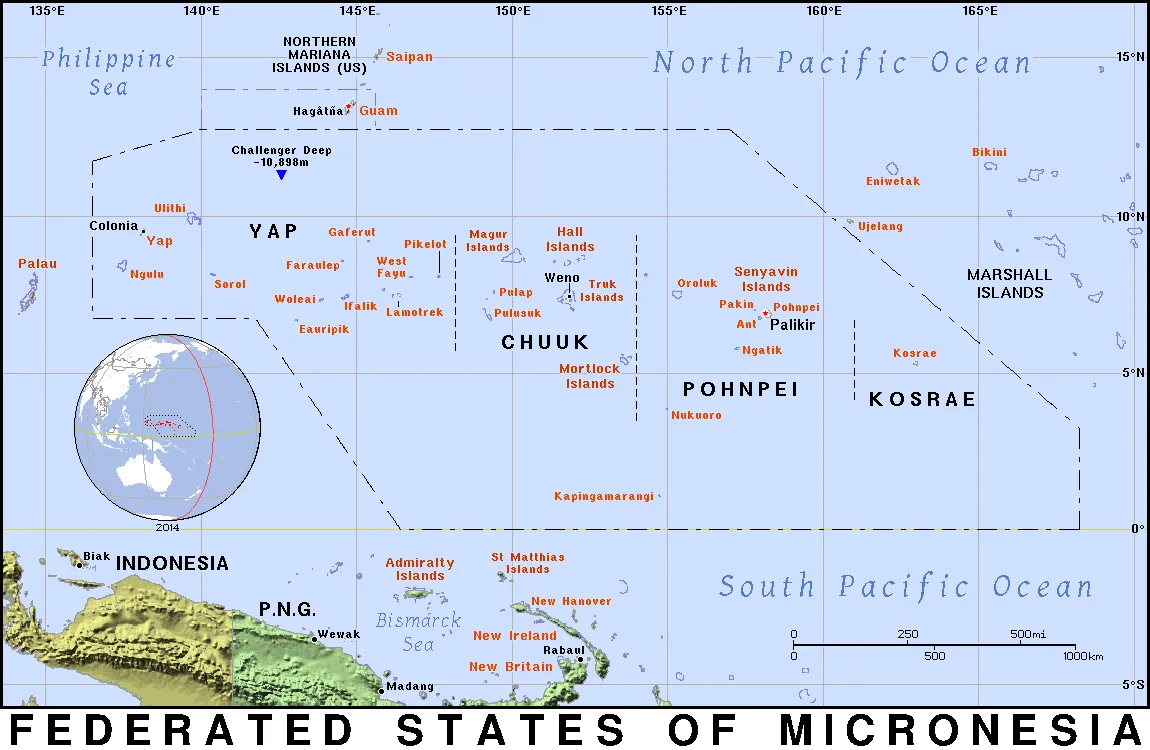
The Federated States of Micronesia is a Pacific Island nation, and as such, there may be a particular idea of what it is. Like many Pacific Island nations, its cuisine is dominated by coconuts and tropical fruits, and like all that came before, I struggled to make something I would both enjoy and could eat.
With that comes a certain image of what life is like on these islands. There’s images of villages and coconuts, of boats and beaches. This is, of course, not the totality of what life is in Micronesia, nor the totality of what it has historically been. One clear counter-example to that is the city of Nan Madol.
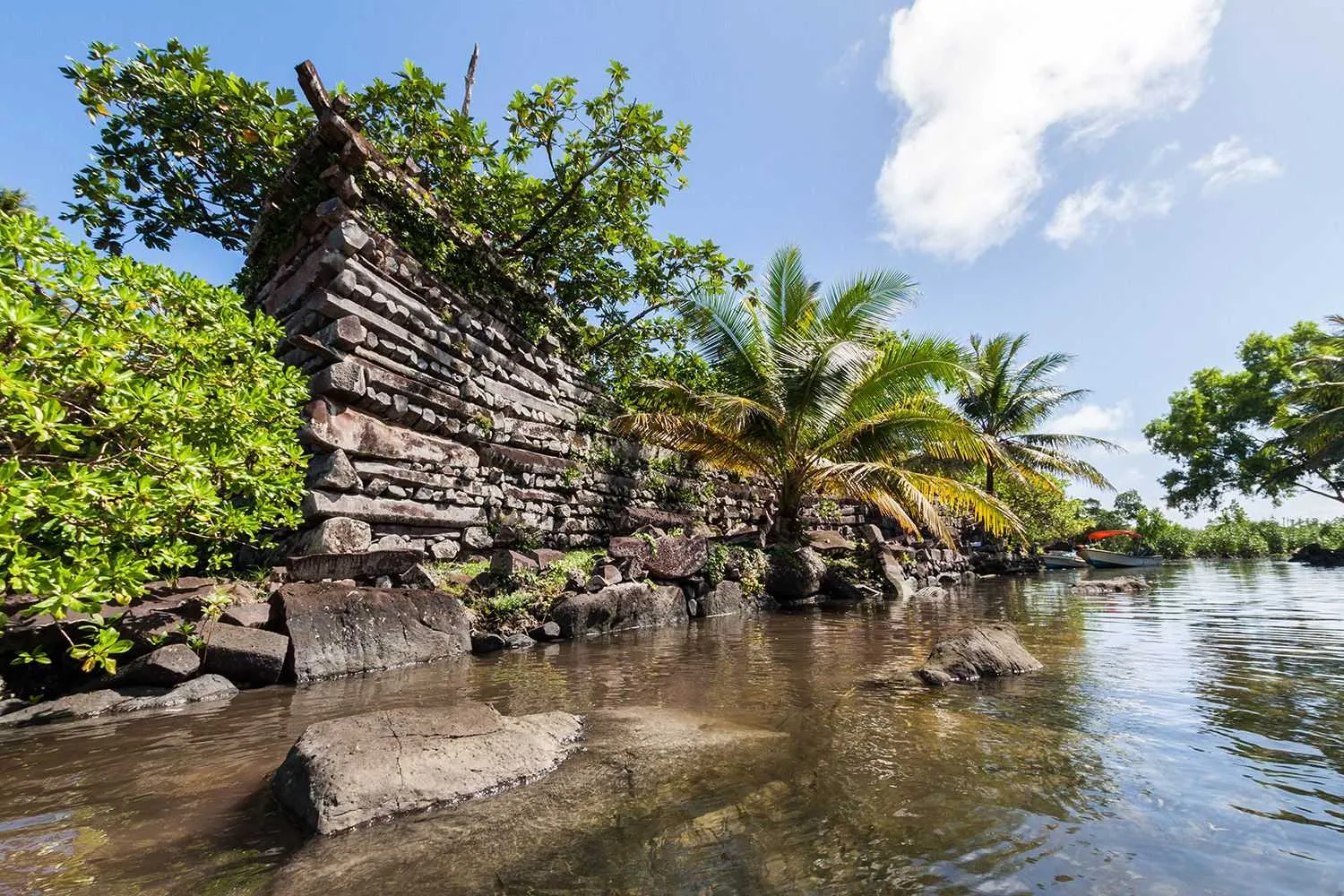
I have a small fascination with Nan Madol. Beyond it being a city state in Civ VI, I’m fascinated by what it is. Nan Madol was the capital of a south Pacific empire, a city of 25000 people built on a series of artificial islands. For five hundred years, it served as the seat of this empire, with its origins, history, and downfall all equally shrouded in myth.
Pohnpei mythology holds that Nan Madol was constructed by the divine twin sorcerors, Olihsipa and Olosohpa. They arrived in a large canoe, searching for a place to build an altar. When they found it, they levitated the megaliths that would become Nan Madol into place, turning what had been sea into a grand altar to the goddess of agriculture. There they ruled, becoming more and more tyrannical. Its lords offended the thunder god, both through their tyrannical rule, and in trying to capture the thunder god in vengeance for him sleeping with their wives. The thunder god, in his rage, impregnated a woman with a lime, creating Isokelelel, a demi-god whose only purpose was vengeance upon the rulers of Nan Madol. Isokelekel sailed to Nan Madol and conquered it, ruling it for himself.
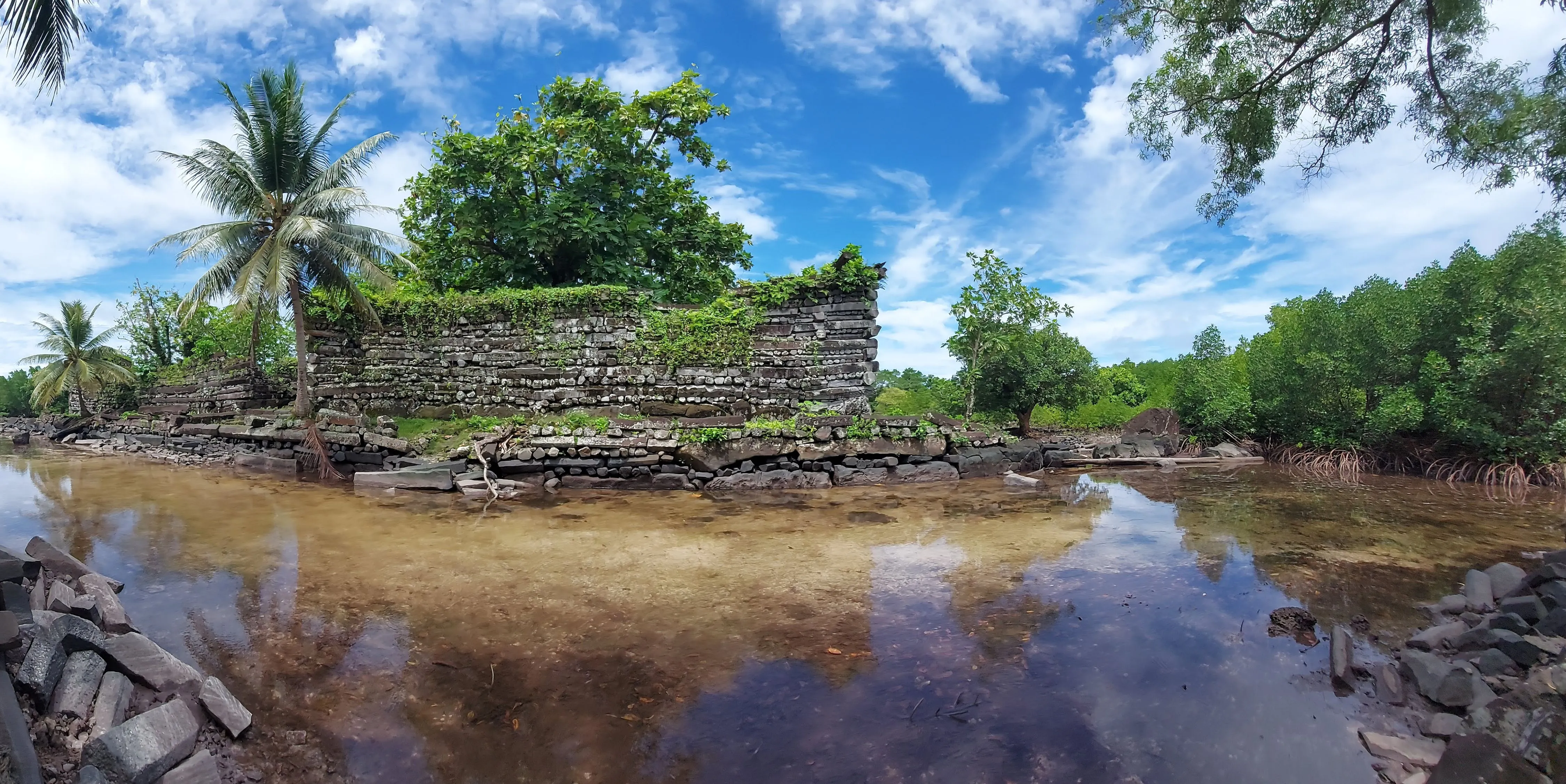
Reality is almost as fascinating as myth. The people of Pohnpei began constructing the artificial islands that would become Nan Madol in the 8th or 9th century, with the basalt megaliths arriving by the 12th century. While it was a city with a large religious component, it was also a living city. Thousands called it home, and it was the centre of the Saudeleur dynasty. Nan Madol had no fresh food or water of its own, leading to everything needing to be shipped in from other islands.
There was no reason to do any of this. The south Pacific is not short of habitable islands. Building Nan Madol and centring an empire there is a choice made by early Micronesians. That they spent their energy building and maintaining a city of basalt layered on artificial islands is incredible. It speaks to who we are as a species that this place exists. We are endlessly creative, adaptive, and determined to make this world our own. Nothing speaks to that more than the existence of Nan Madol.