

Vegan Nsima
Ingredients
For the nsima:
2 cups (275g) cornmeal
5 cups (1.2l) water
For the relish:
5 cups (150g) spinach
1 onion, diced
2 tomatoes, diced
3 cloves garlic, minced
1 cup (130g) peanuts
Instructions
- Add enough water to the bottom of a pot to make a thin layer of water. Bring this to a boil.
- Lower the heat to medium low. Add the spinach to the pot and cover with a lid, steaming until wilted.
- Once the spinach is steamed, add the onion, garlic, tomatoes, and peanuts. Cover again, and steam until the tomatoes dissolve (~5-7 minutes).
- While the vegetables are steaming, make the nsima. Bring water to a boil, then add cornmeal a half cup at a time, stirring throughout. Continue until all cornmeal has been added and the nsima has a thick consistency.
A longer and more detailed description
There are relatively few foods on the UNESCO World Heritage list, so when I come across the chance to make one, I am, of course, going to jump at it. To that end, let’s make nsima.
Nsimas are made with a variety of relishes, and which relish you make for this dish is less important than that there is one. I’ve suggested one recipe, but feel free to make whatever you would like.
Let’s start by making our relish. Boil some water, then add a little bit to the bottom of a pot. If you have a steamer, great, use that. I just remembered that I own a steamer, but I didn’t when I was making this, so water in the bottom of a pot it is. Boil that, then chuck in your spinach, lower the heat to medium low, and steam your spinach. Once it’s wilty, add the other vegetables and the peanuts, then steam until everything is saucy.
While your veggies are enjoying their trip to the veggie sauna, start in on your nsima. Bring water to a boil, then add cornmeal a little bit at a time. Stir as you add it until your nsima is roughly the consistency of mashed potatoes. Do not add too much water, or, if you do, be prepared to have enough cornmeal on hand to compensate.
Once your nsima is ready, roll it into little balls. Nsima is traditionally eaten by hand, so take each ball in your hand, add a dimple, and scoop the relish into the dimple. Enjoy your meal!
Substitutions and suggestions
For the nsima - I’ll be blunt. I know the nsima in the picture is the saddest, worst nsima you’ve ever seen. That would be because I ran out of cornmeal. If you, like me, run out of cornmeal or cannot find it, even when you go to the gluten free speciality store, because that’s apparently the only place in your city that sells it, use rice. This is inaccurate, it misses the point, and arguably undermines the entire recipe, but at least you’ll have dinner. I used basmati. Bon appetit.
For the relish - You can top your nsima with whatever you’d like. I went with spinach because I like spinach. You do not have to use spinach.
What I changed to make it vegan
Nsima is corn and water. There is very little that is more vegan than that.
What to listen to while you make this
I absolutely loved Gasper Nali and his giant babatoni. I highly recommend giving it a listen.
A bit more context for this dish
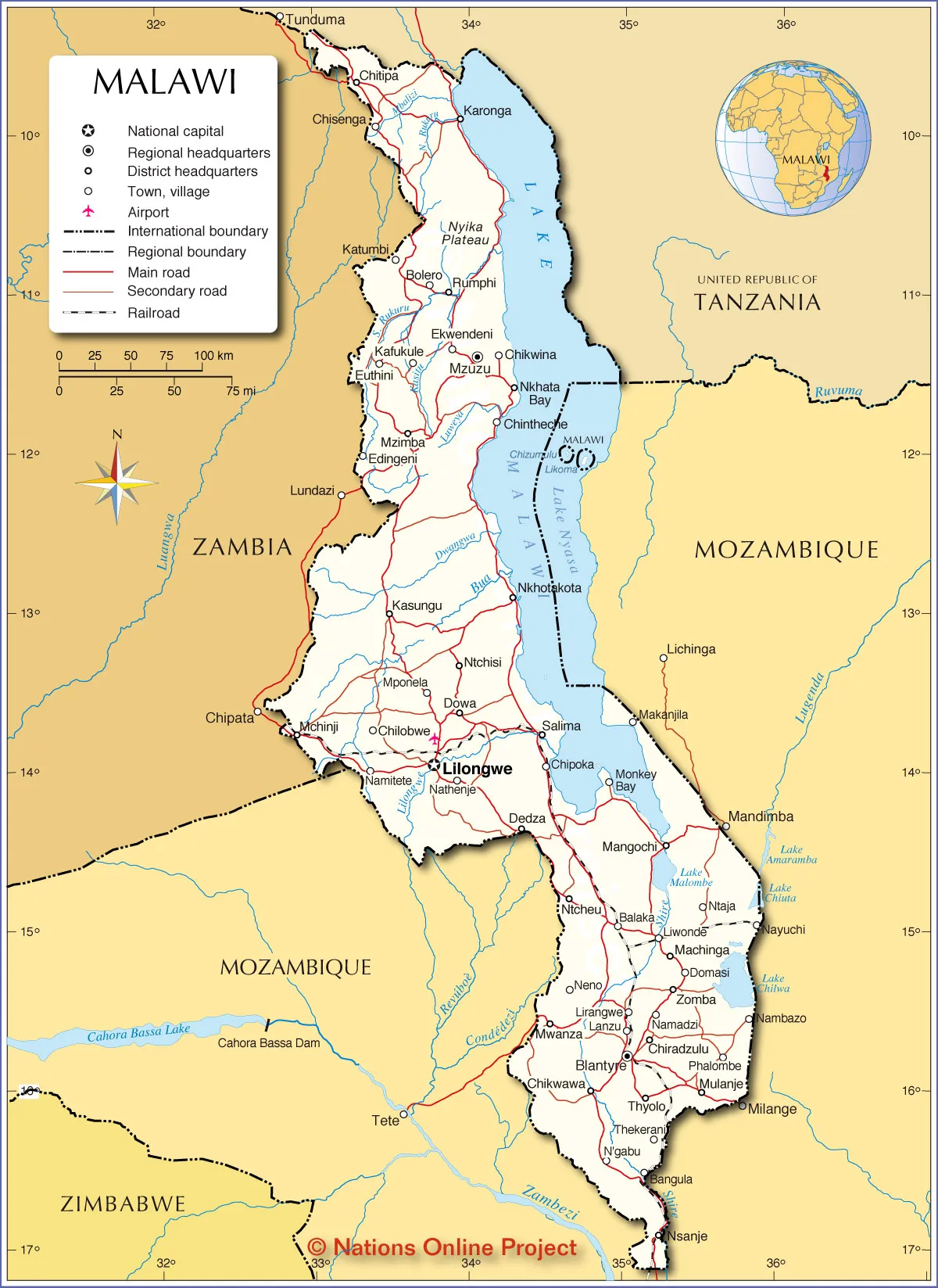
Let’s be clear - Malawian cuisine is nsima. While it has a range of accompaniments, there is an expectation that each meal will feature nsima in some form. Without it, a meal is not a meal.
The concept of nsima as a dish is an old one, with forms of nsima having been made with sorghum. However, with the introduction of corn by Portuguese colonisers, nsima changed form. Corn is highly nutritious, relatively easy to cultivate, and can be broken down into meal just as easily as sorghum. Corn became the basis of nsima, and the dish changed, but still remained fundamental to the cuisine of the African Great Lakes region.
 Women pounding corn to make cornmeal (Source: UNESCO)
Part of why nsima specifically is on the UNESCO World Heritage list is because of its connection, not only with Malawian cuisine, but with Malawian life in general. Nsima is fundamental to societal structure and traditional ways of life.
Girls are taught how to make nsima from a very young age, for instance. Women and girls pound the corn into meal, then sift it together in a tradition passed down from generation to generation. Cookbooks and textbooks all include nsima as a binding ingredient with which everyone can connect.
At meal times, because nsima is eaten with the hands, there is a tradition of carefully washing hands before eating. Water is passed around the table, from oldest to youngest, with everyone washing before they can go anywhere near the food. The act of needing to scoop the relish into the nsima ball is itself seen as a safeguard against gluttony. Everyone eats together, and through sharing the relish and the nsima, everyone gets enough.
 Men eating nsima with relishes (Source: UNESCO)
This is not to say that other culinary traditions aren’t tightly interwoven with their greater cultural contexts. All dishes are. However, nsima represents Malawian culture writ large. It is a culture centred on community, on sharing, and on making the most of what you have. There is a beauty in its simplicity that makes it a delight.