

Vegan Okonomiyaki
Ingredients
1.5 cups (180g) flour
1.5 cups (180ml) water
1/4 head cabbage, finely chopped
1.5 cups (150g) mushrooms, finely chopped
2 tbsp ground ginger
1 tbsp sesame seeds (plus more for garnish)
1 tsp soy sauce
1 spring onion, chopped
Nori
Vegan mayonnaise
Vegan okonomiyaki sauce
Instructions
- Combine flour and water in a mixing bowl. Mix until combined.
- Chop cabbage as finely as possible (I gave it a few pulses in a food processor), then add it, the sesame seeds, the ginger, the soy sauce, and the mushrooms to the flour and water. Stir until thoroughly combined in a thick, cabbage-heavy mixture.
- Heat oil in a pan over medium heat. Add batter to the oil to a size you like, patting to flatten. Cover and cook until the bottom is browned (~4-5 minutes). Flip and fry until the other side is done as well.
- Transfer to a plate and top with nori, mayo, okonomiyaki sauce, sesame seeds, and green onions.
A longer and more detailed description
I’m going to be honest - okonomiyaki is one of my favourite foods. I first had it on a trip to Osaka, and have never been quite so blown away by what food could be. It’s incredible, and this recipe is my pale imitation of that experience. May it bring you as much joy as it does me.
Start by mixing flour and water. Okonomiyaki is like a pancake, so we really don’t need much for the batter. Once the flour and water are mixed, add your very finely chopped cabbage - however finely you think you’ve chopped it isn’t fine enough, so give it a few pulses in the blender - sesame seeds, and mushrooms to the mixture. Give it a lovely little mixy mix until it’s gloopy, then start in on the frying.
Heat oil in a pan over medium heat, then add the okonomiyaki batter into the pan. Add however much you think is valid for the size okonomiyaki you want - it doesn’t expand, it just sits there - then cover the pan. If you’re feeling fancy and/or hungry, you could get two pans going at once. Just be aware that that also means you have to own two pans and two lids big enough to cover them, which can be a tall order if you’re me and realise partway through that the plate you were planning on using to eat the okonomiyaki gets very hot when you use it as a pan lid. You’ve been warned.
Once the edges of the okonomiyaki are visibly darkened (or after four minutes or so), flip your okonomiyaki and cover it once again. Wait until this also turns golden brown on the underside (or dark around the edges), then transfer to your plate that you definitely did not use as a pan lid. Top it with nori, vegan mayo, okonomiyaki sauce, sesame seeds, and green onions. ごゆっくりお召し上がりください!
Substitutions and Suggestions
For the Hiroshima version of okonomiyaki - I’m going to preface this section by reiterating that I first tried okonomiyaki in Osaka. There are two distinct versions of okonomiyaki - Kansai and Hiroshima - with preparation, toppings, and general composition being similar, but different for each. This recipe reflects the Kansai version (sort of) because it’s what I prefer. However, if you want a version closer to the Hiroshima version, use roughly 3/4 head of cabbage, and add in noodles. The Hiroshima version is also made in layers rather than mixed, so, rather than mixing everything together at the start, instead, layer the ingredients in the pan, letting them cook as they go. Start with the flour and water batter, stack the cabbage on top, then add the cooked noodles, pressing them down to compress the cabbage. Flip, garnish, and sauce per usual.
For a more authentic Kansai version - The Kansai version generally includes grated nagaimo, which I could not find. I skipped it, but if you have access to it, consider mixing it in.
For the okonomiyaki sauce - Saucing the okonomiyaki is vital, but again, okonomiyaki sauce can be hard to find. You can try substituting in tonkatsu sauce or a nice barbecue sauce, or you can make your own okonomiyaki sauce by combining equal parts ketchup and soy sauce, then adding a dash of sugar.
For the toppings - Okonomiyaki traditionally includes some sort of meat or seafood topping. I skipped this because I’m not a fan of processed vegan meats, but feel free to add vegan bacon, thin tofu, or any meat-like topping that strikes your fancy. Similarly, feel free to add cheese, bean sprouts, or any other topping you think would be a good fit here. Okonomiyaki is a flexible and adaptive dish, and it’s there to bring you joy, not to make you adhere to someone else’s idea of tasty.
What I changed to make it vegan
Okonomiyaki is traditionally made with egg, meat, and seafood flakes. Okonomiyaki sauce is also made with Worcestshire sauce, so really, it’s not vegan on a great many levels. I removed the eggs and added a bit more flour as a binding agent, took out the meat and added a bit of sauce sauce, and changed the toppings to things I like.
What to listen to while you make this
I greatly enjoyed the album Hazama by Mitsune, especially the track “Maru.” It’s a lovely blend of traditional instrumentation with modern sounds that is a joy to listen to.
A bit more context for this dish
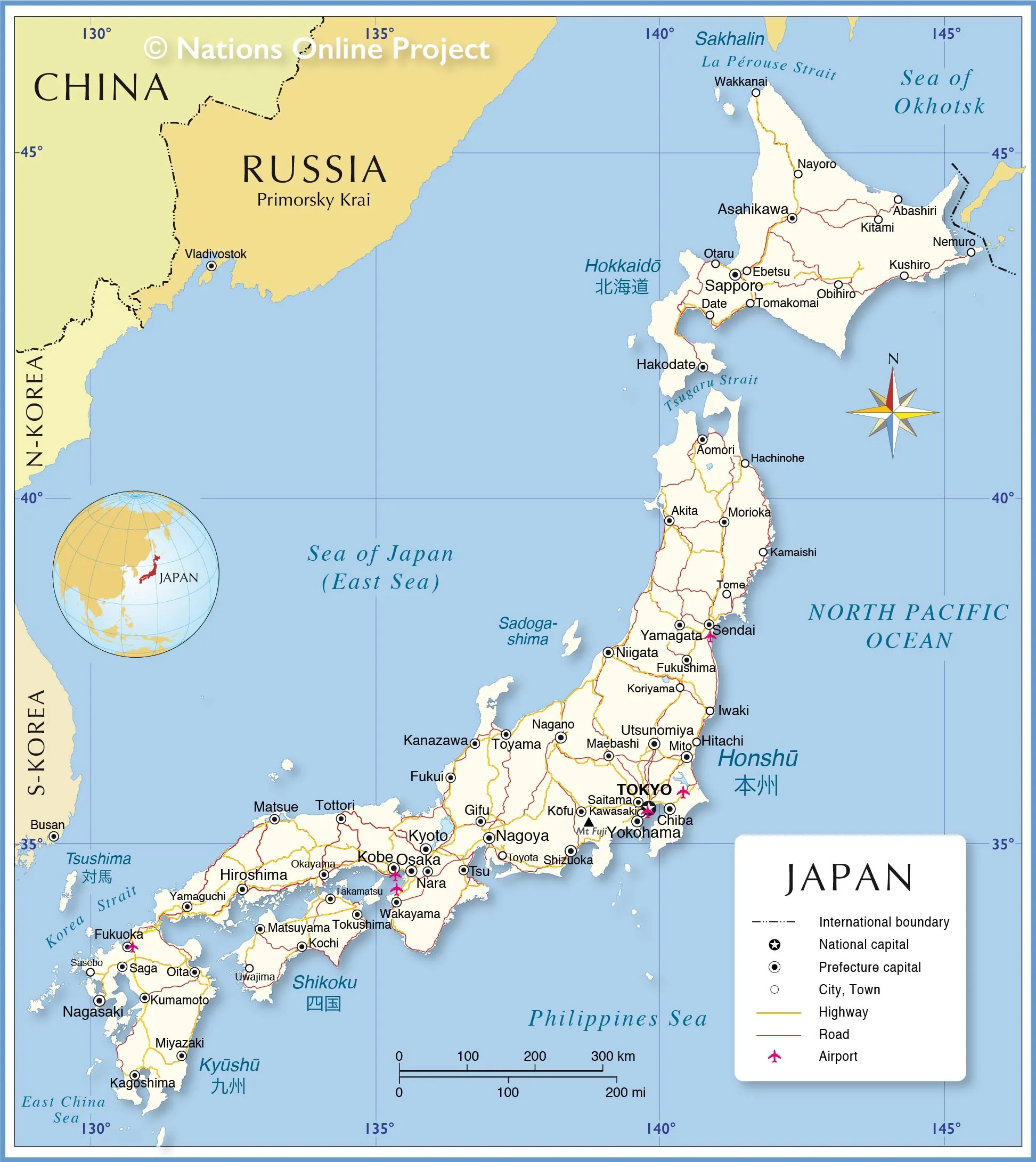
Japanese cuisine is one of the cuisines that, most likely, most people reading this have some degree of familiarity with. Japan is the source of sushi, bento, ramen, and mochi. Japanese cuisine is defined by rice, soy, and fish. It uses relatively few spices, instead relying on fermentation and sauces to provide flavour. It is a cuisine heavily informed by its Buddhist past, its status as an island nation, and the effects of the Meiji Restoration and opening up to the western world. Indeed, prior to the Meiji Restoration, red meat consumption was largely unheard of throughout much of Japan, with traditional Buddhist cuisine being more prevalent. However, with the increased openness to the West, meat became enmeshed in Japanese cuisine.
In the case of okonomiyaki, however, there is another event that led both to its modern development and its popularisation throughout Japan. Okonomiyaki, like ramen, is a product of WWII and the food shortages that echoed in its wake.
 Osaka after American air raids in 1945 (Source: Mainichi Newspapers via Wikipedia)
Okonomiyaki, like many dishes we’ve covered in this series, has a nebulous ancestry. While it’s first recorded in the early 1930s in Osaka, thin pancakes called funoyaki have been recorded in Buddhist ceremonies since the 17th century. These are different and distant from the thick concoction we now know as okonomiyaki, but the thread of ancestry is long. Funoyaki simmered beneath the culinary surface, evolving into a variety of forms, from desserts to - potentially - the thicker dish we now have before us.
It is worth reiterating something unique about okonomiyaki. In a country where rice is a staple crop, okonomiyaki is instead based on wheat. This lack of rice meant that, in times of food shortages, it was okonomiyaki that could keep people fed. When all else failed, there was always flour, water, and cabbage.
Japan has historically struggled with famine. Rice, though a good staple food, is notoriously climate-dependent, with slight variations in rainfall and temperature potentially causing a crop failure. This, combined with Japan being home to volcanoes (notorious for altering the climate), typhoons, and relative isolation meant that having a reliable source of food from somewhere other than the Japanese islands themselves was critical to Japan’s survival. While the Japanese government had alleviated some of these issues in agricultural security by the 1940s, it is not an exaggeration to say that much of the food consumed by the Japanese people had been grown in Korea, Taiwan, and parts beyond. Japan was reliant on the mainland for its continued survival, a prospect that, in peacetime was potentially sustainable. During a war and the steady collapse of the empire supplying it - as well as an active effort by the United States to starve the Japanese people through blockading and mining Japanese ports - these lifelines to the mainland were severed one by one, leading to famine and starvation on the Japanese home islands. By 1944, 30% of workers in one factory in Tsurimi were suffering from beriberi. By 1945, 40% of factory workers were too hungry to work. Organised crime became centred around looting farmers’ fields and selling food at extortionate prices to city dwellers. When the Americans arrived in 1945 to occupy and rebuild Japan, they found a country in the grip of starvation, its cities in ruins, and its people on the brink of despair.
One of the first things General MacArthur did was send massive amounts of food, an act which forever changed Japanese cuisine.
 American wheat being distributed to the Japanese (Source: History.com)
Traditional American food and traditional Japanese food are two very different beasts. Whereas Japanese food is centred around rice and fish, American food - or at least, the food being sent in 1945 - was centred around wheat, bread, milk, and tinned meats. These were not ingredients the Japanese traditionally used, but they were happy to, at long last, eat, regardless of the ingredients they were faced with. Milk became distributed throughout Japan as part of a school lunch program. Tinned meats like spam became commonplace, often being the only source of protein available. Noodles and bread replaced rice as the flour was used to make things both familiar and unfamiliar.
And the flour got mixed with water to make batter, with cabbage and eggs then thrown on top. Okonomiyaki is simple, it’s easy, and it can be made with whatever’s available. In the wake of WWII, there was a lot of flour, and that, the street vendors of Osaka and Hiroshima could work with. Okonomiyaki stands sprang up in the ruins of devastated cities, feeding workers and children alike as they rebuilt.
 An okonomiyaki stand in Osaka (Source: kanpai.fr)
Today, okonomiyaki is a beloved staple of Japanese street food. There are as many variations on it as there are stands and people to enjoy it. The name itself translates as “how you like it,” a testament to the versatility of the dish. Though stemming from starvation, it, like many other now staple Japanese foods, is a product of a deeply complex web of people, politics, and the reality of a complex, interlinked world. Okonomiyaki as we know it would not exist without the devastation of WWII, but is equally a testament to the resilience and adaptiveness of humanity.
It is also, and I cannot emphasise this enough, delicious.