

Vegan Speķrauši
Ingredients
For the dough:
3.5 cups (450g) flour
1 packet (6g) yeast
1 tbsp vinegar
1 tsp baking soda
3 tbsp vegan butter, melted
1 cup (250ml) non-dairy milk
1 tbsp sugar
For the filling:
2 onions, diced
3 cups mushrooms, finely chopped
1 tsp rosemary
1 tsp soy sauce
Instructions
- Melt butter over medium heat, adding in milk and sugar. Heat and stir until the sugar dissolves.
- Combine dry ingredients in a mixing bowl. Add a well in the centre, then add the butter/milk mixture into the well. Mix to combine.
- Combine baking soda and vinegar in a separate bowl, then add to the dough. Knead the dough until soft, then cover with a towel and let sit for at least an hour.
- After the dough has risen, preheat the oven to 360F (180C).
- Heat oil over medium heat. Cook the onions and mushrooms until the onions are translucent and the mushrooms soft. Add rosemary and soy sauce, cook for a minute longer, then remove from heat.
- Take a small fistful of dough and flatten it against the palm. Fill the centre of the dough circle with filling, then fold it over to create a pocket. Curl the edges of the pocket inwards to create a crescent shape, then repeat until either the dough or filling runs out. Place each crescent on a cookie sheet.
- Brush each crescent with olive oil, then bake for 10-15 minutes, or until brown.
A longer and more detailed description
Are you ready for a totally novel category of food? Because ladies and gentlefriends, today we are making that entirely novel idea
Dough. With. Filling.
I know, I know. We’ve never made this before. We haven’t made it this month. Truly, I dig deep to find the most unique recipes for you.
But in all seriousness, some of the fun of these recipes is seeing both the commonalities and the areas where a common idea diverges. Most cultures seem to have a dough-based goodie of some kind, and it’s in how they choose to approach this common refrain that things get interesting. This is, for instance, one of the more complex doughs I’ve made (and also, incidentally, easiest to work with). But I’ll save more of my thoughts on the dish itself for the end. First, let’s make it.
Start by making your dough. Like many doughs, this should be made well in advance so the yeast has the chance to go on its fun little dough adventure. Melt butter in a pot, then add milk and sugar, giving it a mixy mix until the sugar is dissolved. Add this to a bowl of yeast and flour, then top it with your baking soda and vinegar. Knead this into a nice, soft dough, then cover it with a towel and go do something else for a while. I went to the gym and ate some wasabi peas, as a suggestion.
When you get hungry (or get tired of your wasabi peas), come back to your dough. Preheat your oven to whatever temperature I listed above, cook up some mushrooms and onions with rosemary and soy sauce (the usual), and start your stuffing. Take a fistful of dough, smash it flat, and put a spoonful of filling in the middle of it. Fold your dough into a pocket, then roll the edges to make a crescent. Do this until you run out of dough or filling (or preferably, both at the same time). Brush these happy little crescents with olive oil, then pop them in the oven for ten minutes or until they give off “I’m done with the oven” vibes. Labu apetīti!
Substitutions and suggestions
For the filling: This is where I’m going to get in trouble. “Speķrauši” literally contains the word “bacon” in its name, and proper speķrauši must include bacon. We’re already well beyond that point, but I was still trying to maintain some modicum of authenticity. If, however, you’re looking at non-mushroom substitutes, feel free to put in whatever substitute for bacon you’d like, or get wild with it. Cheese, cabbage, sauerkraut, and potato are all valid fillings here.
What I changed to make it vegan
Whoo boy. There are the obvious changes in the dough - vegan butter for butter, oat milk for milk, baking soda and vinegar for egg - but the bigger change is the filling. As mentioned above, “speķrauši” literally includes the word “bacon” in the name, which I did not include. I subbed it for mushrooms. I suppose, then, that I actually made a sēnerauši?
What to listen to while you make this
I promise I do not get all my music from Eurovision, but…Tautumeitas is genuinely incredible.
A bit more context for this dish
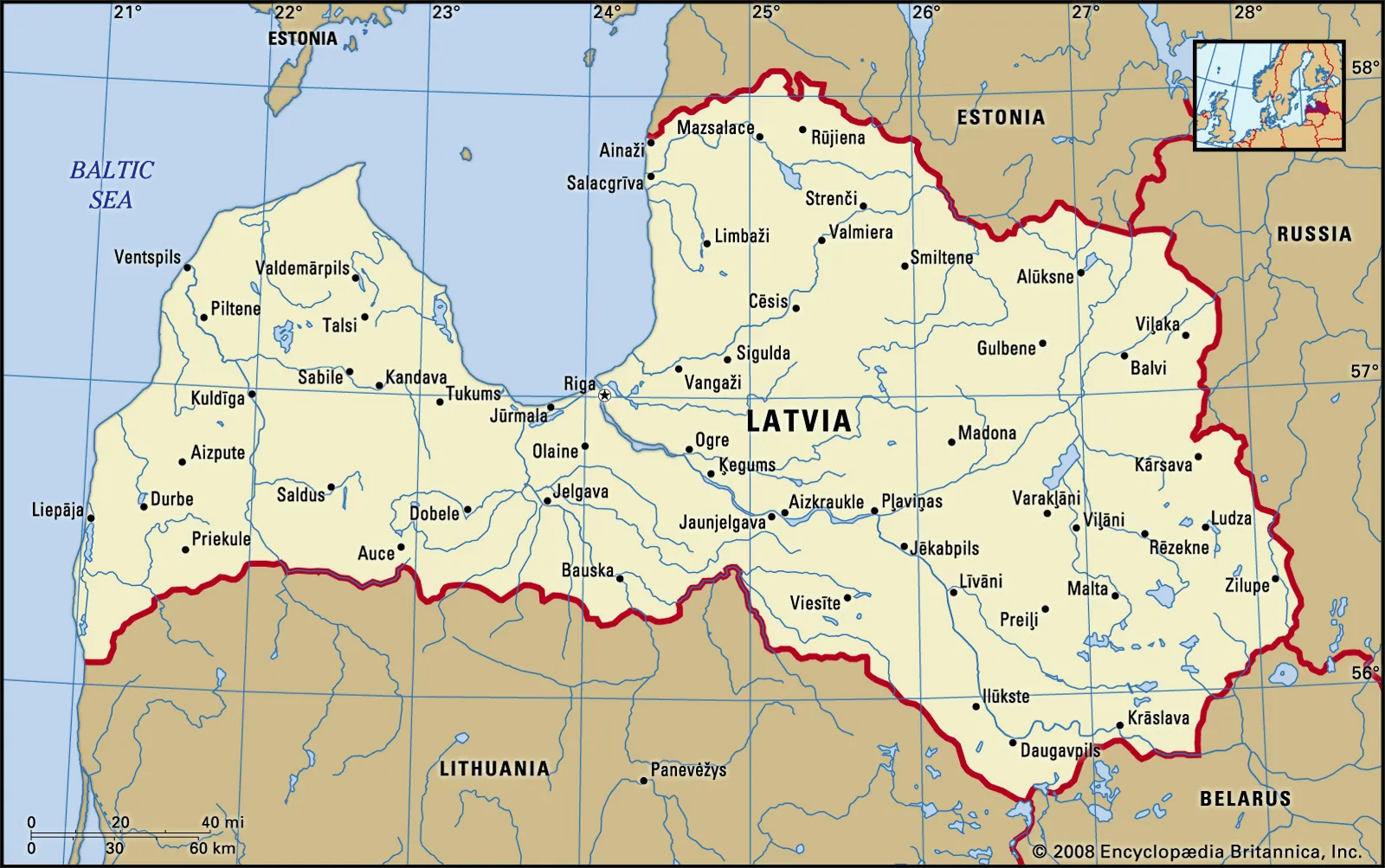
Latvian cuisine is, like its neighbouring Baltic countries, highly seasonally dependent. With cold winters and muggy summers, much of it centres around the food that is available and that can make it through the cold winters. It is heavily meat and fish centric, with potatoes, wheat, barley, cabbage, and mushrooms featuring alongside the dried and preserved meats.
The one exception to this seasonality is speķrauši. Also known as “piragi” - a term that may sound immediately familiar to anyone from a place with a Polish diaspora - speķrauši is Latvia’s national dish, and rightfully so. While it may be more labour intensive than some dishes, it is accessible, portable, and filling during a long day. It fits into the same category as British pies, Polish pierogis, Salvadorian pupusas, and Honduran tamales. It’s a meal to be carried to wherever life brings you, knowing there is a bit of home alongside.
That said, speķrauši is also an endemic part of specific elements of Latvian culture. It is part of the Latvian holiday for the winter solstice, Ziemassvētki, where, in addition to being a symbol of families coming together to celebrate, it features in songs. While it is one of those dishes whose exact history can’t be traced, since at least the 17th century, speķrauši has been part of the fabric of Latvian life.
It’s that element of Latvian cuisine being seasonal, however, that sticks out to me and my particular iteration of speķrauši. While the name translates as “bacon bun” with “bacon” being a key term in the name itself, Latvian cuisine is very much based around finding what works and rolling with it. Latvia has, for instance, a robust mushroom culture. Latvia has a specific verb for mushroom gathering (sēņot), and is home to over 4100 species of mushrooms. The act of going out and finding mushrooms and making them into something delicious is a fundamental part of Latvian summers and autumns.
My lacks spek. I know and acknowledge this. But I hope, in including mushrooms specifically, I’ve done at least a little to pay homage to another element of Latvian life - that sense of innovativeness and tradition, that tradition of mushroom gathering, and of turning the wilds around oneself into a source of life. Speķrauši represents Latvia, and I hope, in adding mushrooms, I’ve captured at least a little about what’s brilliant about Latvian cuisine and its people.