

Vegan Tlayuda
Ingredients
Large tortillas
1 can refried beans
1 aubergine, sliced and roasted
1 container grape tomatoes, roasted
1 radish, sliced
Salsa
Guacamole
Cilantro
Cheese
Instructions
- Roast the aubergine and tomatoes until roasted (~20 minutes for aubergines, ~10 for tomatoes)\
- Fry a large tortilla over medium-high heat until lightly toasted (~3-4 minutes). Flip, and repeat for the other side.\
- Once tortillas are crispy, coat in a thin layer of refried beans. Cover the beans with shredded cheese, then top with radishes, aubergine, and tomatoes.\
- Bake until the cheese melts (~7-10 minutes), then remove from the oven.\
- Add guacamole, salsa, and cilantro, then serve.
A longer and more detailed description
I feel like my description this week is more lackluster than usual, and I want to be clear that that is in no way a reflection of the dish being described. If anything, I am coming nowhere near doing this magnificent dish justice. Instead, my vagueness is a reflection of the dish itself. What matters here is that you have a tortilla and you have it covered in things and very little else. I don’t care what you put on it. No one cares what you put on it. What matters is that you try.
Start by roasting your aubergines and grape tomatoes. I’m not here to hold your hand through this process. Just turn on the oven, cover those babies in olive oil and salt, and put them in the oven until they’re done. They’ll be done when they say they’re done. Done.
While they’re doing that, fry your giant tortillas. These should end up crispy, but not too crispy, just crisped up enough to be lightly brown, but not burnt. That’s what the oven is for.
Once the aubergines and tomatoes are done, take them out of the oven and make space for the tortillas. Coat each tortilla in refried beans and cheese, then start adding toppings. Do not add toppings that will burn in the oven unless you want to turn a “tlayuda” into an “ayuda.” Bake your tlayuda for 5 to 10 minutes, depending on how high you left the heat on (probably ideally roughly 160 on your celsius oven, but I’m not here to judge), then fish it back out. Top it with the myriad of burnable ingredients, and serve. Buen provecho!
Substitutions and suggestions
For the aubergines, radishes, and tomatoes - I really enjoyed this particular combination of ingredients, but I also suspect I’m a bigger fan of radishes than most people. Feel free to leave them out, but do be sure to add ingredients you’ll enjoy. It’s very difficult to go wrong with roasted aubergines.
For the salsa - Feel free to make your own if you (like me) live in Aotearoa New Zealand and do not trust the singular bottle that exists on the shelf. I tried it. It’s bad. I made my own. You do not have to do this, but do know that a good salsa goes a long way.
For the guacamole - Hey, guess what. The grocery store here also does not sell guacamole. I made my own guacamole too! It’s easy and tasty and I do not understand how so many people have messed this up for so long.
What I changed to make it vegan
Most tlayudas are, at the very least, served with cheese, and many include meat of some form. I made a vegan one, and it is excellent.
What to listen to while you make this
Mexico has an absolute abundance of music to choose from. You are almost guaranteed to find something that interests you. That said, I greatly enjoyed Fuerza Regida and felt that it captured the vibe I was going for with my tlayudas.
A bit more context for this dish
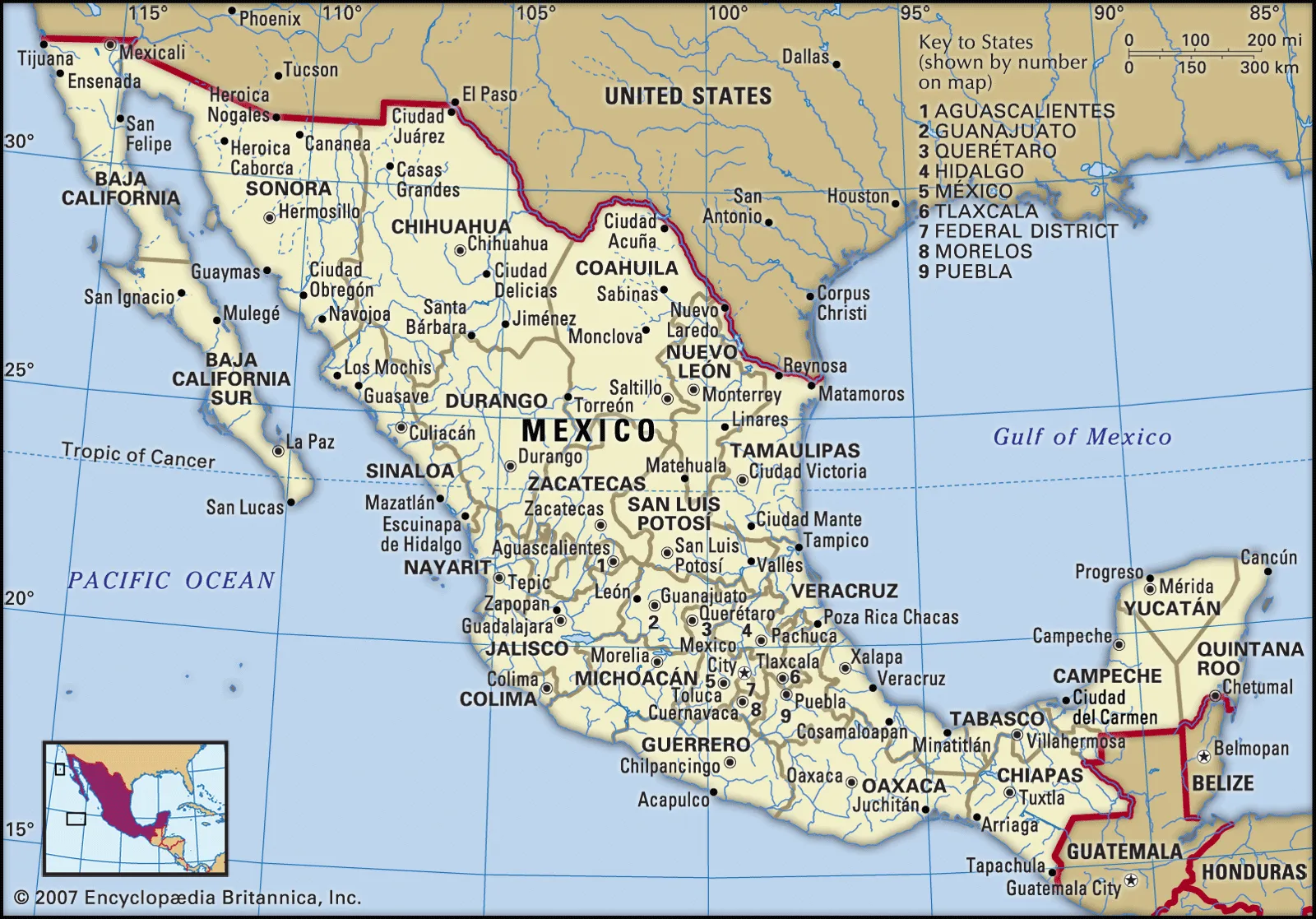
Mexican cuisine is one of several cuisines on the UNESCO world heritage list, and it’s unsurprising as to why. It is a deeply diverse cuisine, with what ingredients people use defined by geography, ethnicity, and history. Mexico has been the home of numerous pre-Columbian Mesoamerican cultures, the centre of trade routes linking North America to South America, and the site of a blending of European and Indigenous influences.
More than any of that, though, Mexico is the home of one of humanity’s most important crops. Mexico is where corn was invented.
 Indigenous Mesoamericans cultivating corn (Source: The Florentine Codex)
Saying corn was “invented” is a statement that feels like it’s asking for a response. Crops are, after all, generally something domesticated rather than invented. With corn, however, the statement is absolutely a true one.
Historically, there was some debate about the origin of corn and which plant specifically was used to create corn. Modern consensus has focused on teosinte, though the differences between teosinte and corn are immense. Teosinte is a small grass with tiny, inedible seeds. That it could give rise to corn at all is astounding, and speaks to a level of dedication and creativity not found in any other domesticated plant. However, over the course of thousands of years, Mesoamericans in the highlands of Mexico shaped this plant into something they could use. Wild teosinte was transformed from a self-propagating grass to a plant created and wholly dependent on humans for its existence. Corn does self-propagate. Corn does not exist without humanity, and so too do the humans of Mesoamerica not exist without corn. 9000 years ago, humans created corn. Less than a millennia later, it had spread along ancient trade routes to become part of the cultures of both North and South America.
 Cinteotl, the Aztec god of corn
It is hard to overstate how important corn is to humanity. It is incredibly nutrient rich, meaning when it was introduced to Europe as part of the Columbian Exchange, it, alongside the potato, became responsible for Europe’s increased stability, wealth, and population. The famines that plagued Europe were significantly less common in the Americas, not because there were fewer people, but because corn and potatoes provided a stable, nutrient-rich food that could get their cultivators through harsh times.
Paired with this is the sheer variety of ways in which corn is prepared. For Mesoamericans, corn was central to life itself, with corn being a staple of every meal. Tamales, tortillas, hominy, everything centred around corn. Indigenous Mesoamericans perfected numerous ways to prepare corn, adding every element of it into their meals.
Corn was not, however, solely food. Mesoamerican cultures saw corn, much like chocolate, as divine. Images of corn deities were everywhere in Olmec, Maya, and Aztec depictions of the world. According to Olmec and Maya mythology, humanity came from the corn, and, to a certain extent, this is true. Without corn, there was no life, and so life centred on the corn.
 A Maya corn god
The centrality of corn to human existence has not changed. Our world is still very much a corn-centric one, with corn being not only food, but fuel. It is used to produce the plastics that make up everything we own, the material in which biorganisms are made to research medicine, and fabrics, adhesives, and everything on which we have come to depend. There are very few places that have humans and no corn, and it has come to dominate the farming landscape.
And none of this is accidental. While there are some plants that happen to be domesticated, some things that happen to live alongside us, corn is not one. Our world is what it is because of indigenous Mesoamericans and their patience with the corn. Ours is a created world, and it was created 9000 years ago in Mexico.