

Vegan Tamales
Ingredients
For the tamale dough:
8 cups (1 kg) nixtamalised corn flour (masa harina)
6 cups (1.5l) water
3 tbsp vegan butter
For tamales colorados:
2 tomatoes, chopped
1 onion, diced
3 cloves garlic, minced
5 green olives, sliced
3 cups (700ml) crushed tomatillos
2 chili peppers, chopped
1 red bell pepper, chopped
1 tsp annatto
Pepper
For tamales negros:
1 tomato, chopped
1 cup (160g) raisins
1 chili pepper, chopped
3 tbsp pumpkin seeds
1 tbsp sesame seeds
3 reasonable chunks (25g) of dark chocolate
2 tbsp sugar
2 tsp cinnamon
2 tsp cloves
2 cups (500ml) water
Pepper
For tamales chipilin:
13 cups (400g) spinach (a bag, if you buy spinach in bags)
3/4 cup (100g) nopales
2 cloves garlic, minced
1 chili pepper, chopped
1 tsp cumin
1 tsp paprika
Pepper
Vegan mozzarella
For all tamales:
4 cups (440g) mushrooms, chopped
Banana leaves
Instructions
- Combine corn flour and water in a mixing bowl. Add the water a bit at a time and stir throughout to create a smooth dough. \
- Heat the dough, adding the butter. Stir until the butter is melted throughout and the dough comes off the sides of the pot when stirred. It should be the consistency of a thick porridge. \
- Let the dough sit and cool.
For all tamales: \
- Heat oil in a pan over medium heat. Saute mushrooms until soft and cooked (~5 minutes). Set aside.
For tamales colorados:\
- Add all vegetables and spices to a pot. Bring the pot to a boil, then lower to a simmer until the vegetables are soft (~7-10 minutes). If the crushed tomatillos do not add enough liquid to cover all the vegetables, add some additional water. \
- Once soft, put the vegetables and liquid in a food processor and process until smooth.\
- Return to the pot. Add half (or all, if this is your only tamale) of the mushrooms into the sauce, and stir to combine. \
- Simmer until the sauce is thick, adding corn flour to thicken if necessary.
For tamales negros:\
- Add the tomatoes and spices into a pan over medium heat and cook until the tomato starts to dissolve (~3-5 minutes). \
- Add the water, chocolate, and seeds and heat until the chocolate melts (~3-5 minutes).\
- Add the raisins, chili pepper and sugar, cooking for another minute.\
- Transfer the mixture to a food processor and process until smooth. \
- Add the remaining mushrooms to the sauce.\
- Return the sauce to the pan and simmer until thick, adding corn flour to thicken if necessary.
For tamales chipilin:\
- Heat oil over medium heat. Add the garlic and cook for a minute.\
- Add the spinach and cook until wilted (~2-3 minutes).\
- Add the nopales, chili pepper, and spices, and stir to combine.
To assemble the tamales:\
- Cut the banana leaves into long vertical strips, roughly 6in (15cm) wide and 10in (25cm) long.\
- Place a roughly half-fist sized ball of dough in the centre of the banana leaf, carving a divot in the centre.\
- Add a filling of your choice into the divot, then fold the tamale dough over the divot.\
- Fold the banana leaf over the dough, covering it tightly.\
- (Optional, but recommended) Wrap the banana leaf tightly in aluminium foil. \
- Once all tamales are assembled, place in a steamer to steam for 90 minutes. If do not have a steamer, place a small amount of water in a large pot. Boil most of it, then add the tamales quickly, covering the pot to conserve steam. Leave on medium low heat, adding water and briefly increasing the heat to boil it every half hour or so.
A longer and more detailed description
It feels a bit unfair to have to write something longer than that behemoth up there, but them’s the rules, I guess. I mean, sure, I created them and could break them at any point, but rules is rules, and if I don’t follow the rules - even arbitrary ones I made myself for no reason - do they even matter?
No. And cooking is all about rules.
I went through a long list of potential tamales to make and ended up picking three that seemed interesting. I made all three at once, which went better than you would think, and made the process of eating the tamales good fun. Unwrapping them was a fun journey into figuring out whether you had oops all spinach, or if you were about to swap a chocolate tamale for a tomatillo one. Highly recommend making a variety of tamales, just so you can have a mini party with your dinner.
Regardless of how many varieties of tamales you’re making, the initial steps are the same - make your masa. Mix corn and water, adding the water a little bit at a time, creating a smooth dough. Put this dough in a big pot and heat it to remove some of the water. Add butter - this will help keep it together - melting it throughout, and cook until the dough is no longer interested in clinging to the sides of the pan. You want independent, free-thinking masa. It follows no leaders, and it doesn’t need you. Once the masa is ready, return it to its original bowl unless you’re fancier than me and own more than one big pot. You’ll need the big pot for steaming.
I’ll be honest, one of the most time-consuming parts of cooking this was washing dishes in between steps. I am not a fancy person. I do not own many dishes. This took me a while to make.
With the masa ready, regardless of which tamales you’re making, you’ll need something to mix in the sauce. Heat some oil and saute some mushrooms. Done. Easy. Ignore them.
Now comes the tricky part! Decide which of the sauces (or all!) you are making. Don’t worry, I’ll explain all of them, but it’s entirely up to you and how ambitious you’re feeling as to what you make. Personally, I liked the tamales negros the most because it’s just such a wild and unexpected flavour, while my partner really liked the tamales chipilin. They’re all good, though, so pick whatever appeals to you. This is a choose your own adventure book, and I’m just here to facilitate.
If you’re making tamales colorados:
Ah, so you’re the traditional, but not too traditional type. You want something familiar, but with the brief tang of the exotic. Good choice, good choice. Let’s see if we can fulfil that for you.
Start by adding your vegetables to a pot. Top them with your crushed tomatillos, and, should that not be enough to fully cover them in liquid, water. Raise the heat, and cook until your vegetables are nice and soft in their vegetable bath. Once they’re softened, pitch them into a food processor, blend until thoroughly pureed, and put them back in their original pot, confused, perhaps wounded, but ultimately much more familiar with one another. Add some of your mushrooms (or all, if this is your only tamale), and let simmer until thickened. If you need to add some corn flour to prompt it along, do so. It won’t mind. :)
Once you’ve done all this, skip ahead to the assembly step.
If you’re making tamales negros:
Ah, so you’re a bold and adventurous type. You, like me, took a long look at the chocolate, couldn’t figure out what that was supposed to taste like, but trusted that generations upon generations of Guatemalan abuelas couldn’t be wrong. I bet you also danced along with the music while you broke apart your chocolate, didn’t you? Of course you did, you glorious chef, you.
For this one, add your tomatoes and spices to a pot. Cook briefly until the tomatoes are melty, then add the chocolate, water, and seeds. Wait until the chocolate melts (you’ll feel weird watching chocolate mix with tomato, but just hear me out on this one), then add the raisins, chili pepper, and sugar. Pitch the whole thing into the food processor, blend until smooth, and put it back in its pot. Add your mushrooms (that will also feel weird, but again, trust me on this), and let simmer until thick. Add corn flour to help it along if you need to. Everyone needs a helping hand every once in a while.
Once you’ve done all this, skip ahead to the assembly step.
If you’re make tamales chipilin:
Ah, so you have a stand at a farmer’s market in Austin, TX and need to augment your tamale offerings with something vegan? Tamales chipilin is always a good choice. It’s familiar, savoury, with a bit of a surprise in the nopales, but still very accessible and not very messy as you carry it around and look at artisan breads, mugs, and community yoga. Excellent choice.
Heat up a bit of oil in a pan and add the garlic. Cook until it’s soft, then add the spinach. Cook that until it wilts (kind of fun how much spinach disappears when you just add heat), then add the nopales, spices, and chili pepper. Cook that for a couple minutes until you get bored, then call it done. Yay!
Assembly step:
You made it! Huzzah! Whatever path you took to get here, you’re here now, and I’m excited for you. This is a step that will feel both familiar and unfamiliar. I’d argue that a tamale is fundamentally a dumpling, and this process isn’t too different from making dumplings. The difference is the wrapper, and oh boy, is it a trip.
If you have leftover banana leaves from our other banana leaf projects, now’s the time to schlep them back out of the freezer. Slice your banana leaves into rectangular strips, starting on the spine, and following the grain of the leaf vertically down. Place a half-fistful (or some amount that brings you joy, I’m not your mother) in the centre of each tamale and make a divot in the centre. I used a spoon for both steps, scooping out a big spoonful of masa, then carving the divot. Pour your tamale filling into the divot, then fold the dough over, making a definitely-not-dumpling. Fold your banana leaf tightly around it, forming a rectangular packet, which you can then tie using cooking twine. If you’re like me, however, and tore your banana leaf at various points in this process or just don’t trust your twine, you can then fold this in a second layer of aluminium foil. Repeat until you run out of masa, filling, or patience.
Shove your tamales into your steamer. Or, if you’re like me, and do not have a steamer, boil a small amount of water in your biggest pot, then throw as many tamales in as you can when the lid is off to conserve as much steam as possible. If you then realise you have more tamales than pot space, try with a second, smaller pot and the lid from your rice cooker as well. Turn the heat down to medium low, just high enough to keep the water steamy, but not so high that you’ll burn it all off. Add more water and boil it every half or so, and steam for an hour and a half.
After that hour and a half, though, your culinary adventure is done. You have tamales. Buen provecho and ku méejtech uutsil!
Substitutions and suggestions
For the mushrooms: I love mushrooms. They’re easy, accessible, and absorb flavour easily. You don’t have to use mushrooms here, but I did.
For the chili peppers: You don’t have to add chili peppers, but you’ll be wrong if you don’t, and I will tease you.
For the banana leaves: If you can’t find banana leaves or don’t want to have banana leaves stuck in your freezer for months (understandable), you can substitute in corn husks or aluminium foil. Banana leaves are the traditional Guatemala wrapping, though, and add a nice little touch of flavour, so if you can find them, use them.
For the nopales: Nopales are a specifically Mexican cactus, so while I know I’m not being wholly accurate to Guatemala, I do really enjoy these in tamales. You can leave these out, substitute with another flavourful green, or consider adding extra spinach or a tomato.
For the chocolate: I used Tony’s dark chocolate, but any dark or baking chocolate should work.
For the tomatillos: If you can’t find tomatillos, a salsa verde also works here. If you can’t find that, complain to your grocery store, then sigh and get a red salsa. If you can’t find that, please write to me and tell me where you live so I can be sure to never ever go there.
For the nixtamalised corn flour: This is also called masa harina, and is common in Hispanic grocery stores. However, regular corn flour works too, but is less flavourful. If you go this route, you may need less water, and might consider adding in a bit more butter and some spices like cumin or paprika into the masa itself.
What I changed to make it vegan
Tamales generally have a filling of ground meat. I subbed in mushrooms because I am all kinds of creative. I then also added some spices to add more flavour and make things a bit thicker.
What to listen to while you cook this
The album “Postales” by Gaby Moreno is phenomenal. I especially recommend “Quizas, Quizas, Quizas” to all my millennial and Gen X readers.
A bit more context for this dish
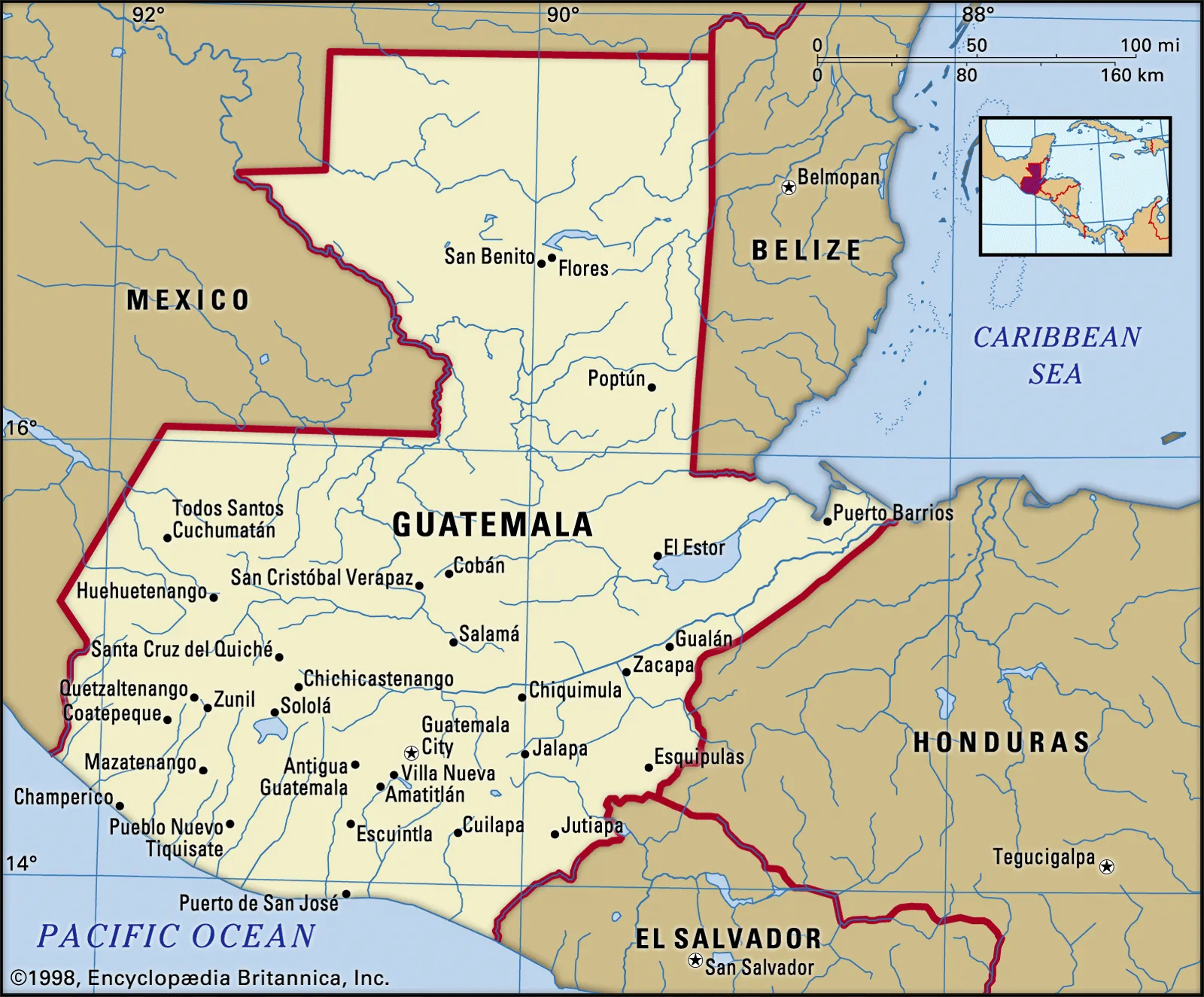
Like many of the American cuisines we’ve covered, Guatemalan cuisine is a deeply Indigenous cuisine. Beans, corn, and chilies are a fundamental part of Guatemalan dishes, and though the Spanish brought a variety of ingredients and cooking techniques with them when they invaded the New World, the core of Guatemalan cuisine remains deeply Maya.
Nowhere is that more true than with tamales.
 A 16th century depiction of Aztecs serving tamales to celebrate the birth of a child (Source: Florentine Codex)
Tamales are ancient. We’ve talked about ancient foods and cultures in this series, but evidence for Mesoamericans cooking and eating tamales stretches back to at least 8000BCE. While nixtamalisation itself originates much later (in roughly 1500BCE, in Guatemala), the process of using corn to make food is ancient, and the tamale reflects that. Corn husk wrappers from tamales have been found in Teotihuacan, placing the origin well before either the Maya or Aztecs inhabited the area.
Though the name “tamale” derives from Nahuatl, it was one of the staple foods of the Maya, particularly in what is now modern Guatemala. In addition to being delicious, their status as a corn-based food made them quasi-divine, with their consumption helping bring people closer to the gods. They were served at celebrations and feasts, offered to nobles, and were part of ritual sacrifices. Classical Maya pottery and art is adorned with the symbol for tamales, a glyph meaning not only “tamale,” but “food,” tying eating tamales to existence itself. In paintings of their day to day lives, the Maya made sure to include tamales.
 The Fenton Vase, depicting a noble being offered tamales (Source: Wikipedia)
While it’s unclear who exactly invented the tamale, its influence is undeniable. It spread, as many foods do, along Mesoamerican trade routes into the American southwest and south into modern Venezuela. When Spanish conquistadors and missionaries arrived in Mexico, they found tamale sellers in the streets of Tenochtitlan. In 1545, Bernardo de Sahagun included a description of these Aztec tamale sellers in the Florentine Codex:
[He] sells meat tamales, turkey pasties, plain tamales, barbecued tamales, those cooked in an olla–they burn within; grains of maize with chili, tamales with chili, burning within; fish tamales, fish with grains of maize, frog tamales, frog with grains of maize, axolotl with grains of maize, axolotl tamales, tadpoles with grains of maize, mushrooms with grains of maize, tuna cactus with grains of maize, rabbit tamales, rabbit with grains of maize, gopher tamales: tasty–tasty, very tasty, very well made, always tasty, savory, of pleasing odor, of very pleasing odor; made with a pleasing odor, very savory. Where [it is] tasty, [it has] chili, salt, tomatoes, gourd seeds: shredded, crumbled, juiced.
He sells tamales of maize softened in wood ashes, the water of tamales, tamales of maize softened in lime–narrow tamales, fruit tamales, cooked bean tamales; cooked beans with grains of maize, cracked beans with grains of maize; broken, cracked grains of maize. [He sells] salted wide tamales, pointed tamales, white tamales, fast foods, roll-shaped tamales, tamales with beans forming a seashell on tap, [with] grains of maize thrown in; crumbled, pounded tamales; spotted tamales, pointed tamales, white fruit tamales, red fruit tamales, turkey egg tamales; turkey eggs with grains of maize; tamales of tender maize, tamales of green maize, adobe-shaped tamales, braised ones; unleavened tamales, honey tamales, beeswax tamales, tamales with grains of maize, gourd tamales, crumbled tamales, maize flower tamales
 The Chiik Naab murals depicting a variety of everyday scenes in Mayan life, including eating tamales (Source: UNESCO)
Tamales continue to be a fundamental part of life, not only for the Maya, but for Latine households throughout Central America. For some, preparing them together is a family tradition. For others, making tamales is a way to assert their identities and bring their own narrative into the grand tradition represented by tamales. Each tamale is as personal and unique as the person making it, finding space for everyone in a millennia-old tradition.
There’s something absolutely beautiful about continuing that narrative, even thousands of kilometres from the birthplace of the tamale.